
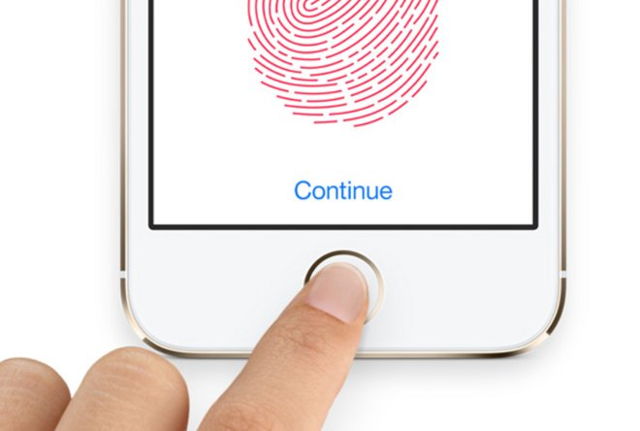
Fingerprint recognition for unlocking an iPhone was first used on the iPhone 5s in 2013. It was subsequently used on iPad and Mac devices until 2017, when it was replaced by facial recognition on the iPhone X.

Touch ID was a pioneering innovation from Apple and delighted its fans as soon as it launched. Its replacement by Face ID was a natural progression, with technology advancing rapidly and demand growing for larger screens. In fact, the prevailing view is that Apple replaced Touch ID and the Home Button to offer users an edge-to-edge screen with nothing getting in the way.
A recent SellCell.com poll revealed a very interesting preference, as many users said they wanted Touch ID to return to the iPhone and would even prefer to see the iPhone 13 launch with this feature. The proportion of users who welcomed the ‘big comeback’ reached 21%.
Rumours suggest that Apple will bring fingerprint recognition back to the upcoming iPhone model, but without the corresponding button. The feature will be integrated somewhere on the screen, not necessarily at the bottom centre. The return of Touch ID does not mean the end of Face ID; instead, the two features will coexist on the device, offering greater security.
Here is a more detailed breakdown of the SellCell.com poll results:
- Return of Touch ID – 21%
- Higher refresh rate display (120Hz) – 17%
- Smaller notch/notch-less design – 15%
- Return of in-box charger – 12%
- Bigger battery – 11%
- Better camera features – 8.2%
- Faster processor – 6.8%
- Compact phone – 5%
- Better waterproofing – 2.2%
- Foldable design – 1%
- Removal of Lightning port – 0.8%
With or without Touch ID, the iPhone 13 is eagerly awaited by Apple users. Stay tuned to The Fixers blog to be the first to hear the latest news before its official release.



Share:
Thanks to the iMac 2021, browsing the web is now silent!
Make your iPhone battery last longer