

The internet is an integral part of our daily lives, whether for work, news, shopping or leisure activities. However much it makes our lives easier, it also poses risks that come from external sources. With multiple devices connected at home, there is a chance that someone may try to gain access to them.
What can we do to minimise the risk of falling victim to a cyberattack?
1. Protect your Wi-Fi router
Our first priority is to secure the router, as it is the gateway through which all devices connect. In the router settings, make sure you immediately change the password to one that is hard to guess, rather than using your phone number, for example.
Choose WPA2 or WPA3 if all your devices can connect using them, and update the router with the latest firmware (if it does not update automatically).
2. Protect your smart TV
These days, most of us have smart TVs with a wide range of features. Even if we have not bought a smart TV, we often upgrade a conventional one with external streaming devices. To protect your TV from a malicious attack, you should choose its settings carefully and check for available software updates.
3. Protect your smartphone
We all use smartphones more than any other device, so keeping them secure is essential. A good way to secure your mobile phone is to use endpoint protection, which blocks most threats. It is also a good idea to encrypt the personal data stored on your phone so that you do not make it easy for someone with malicious intent to access it.
4. Leave no traces online
Our online activity reveals a lot about our personalities, so it is a good idea to encrypt this activity to maximise the security of our connected devices. To do this, we can set up a virtual private network (VPN), which allows us to browse safely online. We recommend setting up a separate VPN for each device.
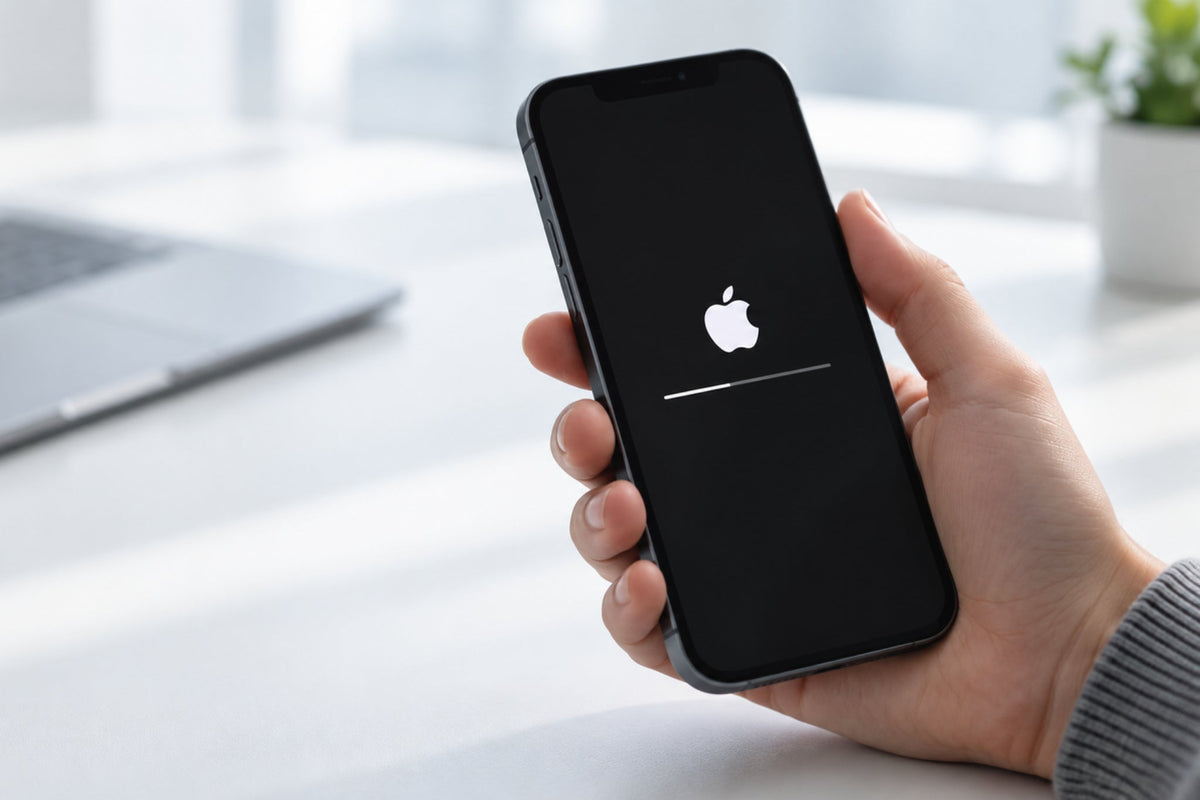
5. Keep devices up to date Most of us ignore notifications prompting us to install the latest version of our device's software, but this is a very poor habit. To keep our devices properly protected, we should install security updates and upgrades as soon as they become available.



Share:
Samsung Galaxy S21: Unveiled!
We found out everything about the new Redmi Note 9 Pro 5G