
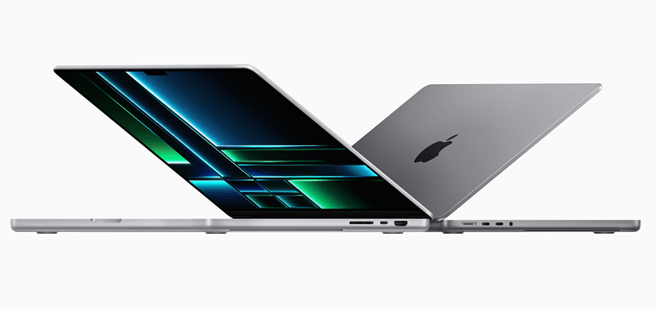
According to recent analysis by market research firm Omdia, Apple is likely to adopt OLED displays in future MacBook Pro models, potentially starting in 2026. This change marks a shift towards OLED technology, which offers significant advantages over traditional LCD displays.
The forecast is based on growing demand for OLED displays in portable devices, with Omdia predicting a 37% increase by 2031. As a leading force in the laptop market, Apple is expected to play a pivotal role in this trend.
Advantages of OLED displays:
- Improved colour reproduction: OLED pixels can be controlled individually, delivering more accurate shades, deeper blacks and higher contrast.
- Faster response times: OLED technology delivers smoother motion and less motion blur, making it ideal for gaming and video editing.
- Better viewing angles: Images remain sharp and colours vibrant, even when viewed from the side.
- Design flexibility: OLED panels are thinner and lighter, allowing for slimmer, sleeker laptops.
The adoption of OLED in MacBook Pro models aligns with Apple's earlier shift to this technology in the iPad Pro. Its success in tablets has prompted the company to consider extending it to high-performance laptops.
In addition, Samsung, a key display supplier for Apple, is rumoured to be investing in new OLED production facilities to meet increased demand.
Although Apple has not officially confirmed its plans, a shift towards OLED in MacBook Pro models is seen as increasingly likely. Adopting this technology will bring significant improvements to image quality and the user experience, making MacBook Pro models even more appealing to professionals and technology enthusiasts.
While awaiting Apple's official announcement, we are keeping an eye out for any new information and developments regarding the future of OLED displays in MacBook Pro models.




Share:
Apple brings Apple TV+ to Android smartphones!
Apple Intelligence was unveiled by Apple during the WWDC Keynote